
Apparently there is now the possibility that GPS could be taken out not locally, but ocean-wide:
 arstechnica.com
Offshore I always carry a (plastic) sextant and the appropriate manuals, but... I don't really know how to use them. I think I might put a little more time into figuring that out before heading really far out.
Separately, I have become almost totally dependent on my chartplotter... not even bothering to log positions during day-trips. Even for local stuff outside the bay I think I will step up my log-keeping just so I can DR if need be / the fog comes in (as it can here.)
Everyone's risk profile will vary; mine was "I have 4 independent GPS sources on board, two of which have chart plotting... why do I need any further backup?" Considering current geopolitical uncertainties I think maybe a slight improvement in my backup plans wouldn't be a bad idea; I'll keep it simple though, since life is so much simpler just using the chartplotter : )
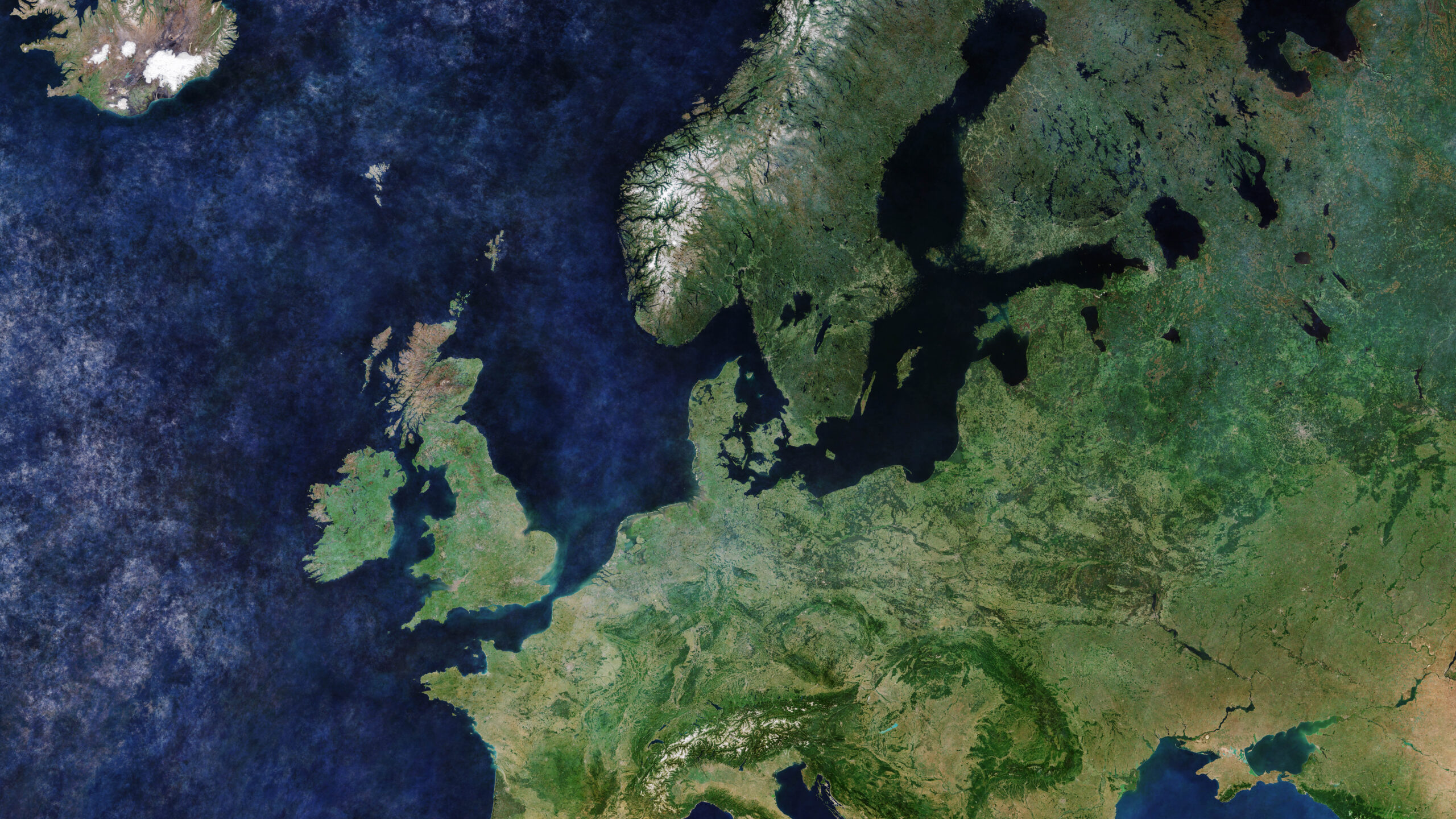
Tests suggest Russian satellites can jam GPS on a continental scale
Mystery of GPS interference across Europe raises questions about Russian motives.
arstechnica.com
Offshore I always carry a (plastic) sextant and the appropriate manuals, but... I don't really know how to use them. I think I might put a little more time into figuring that out before heading really far out.
Separately, I have become almost totally dependent on my chartplotter... not even bothering to log positions during day-trips. Even for local stuff outside the bay I think I will step up my log-keeping just so I can DR if need be / the fog comes in (as it can here.)
Everyone's risk profile will vary; mine was "I have 4 independent GPS sources on board, two of which have chart plotting... why do I need any further backup?" Considering current geopolitical uncertainties I think maybe a slight improvement in my backup plans wouldn't be a bad idea; I'll keep it simple though, since life is so much simpler just using the chartplotter : )

