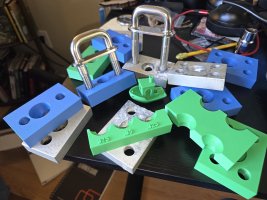
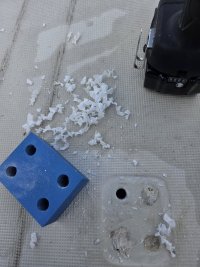
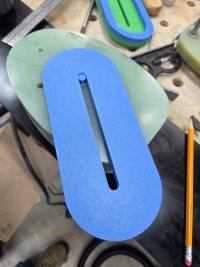
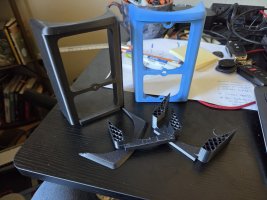
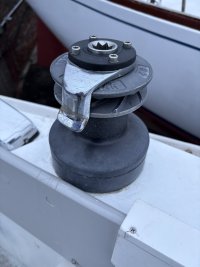
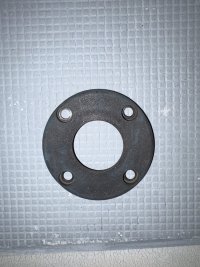
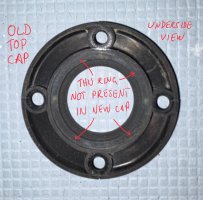
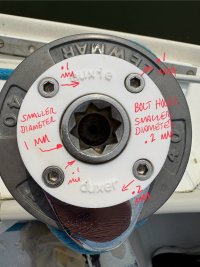
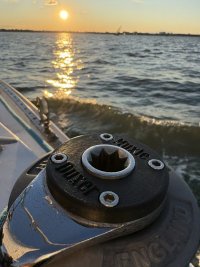
I just got a 3D printer and am still very much a novice, but my first project is a replacement for the top cap of my new-to-me but otherwise very-old Lewmar 40 self-sailing winches, vintage late 1970s - photo 1. The caps that came with my winches are functional but split along the edges - not a great design but who am I to really say if they’re still working after all this time - photo 2.
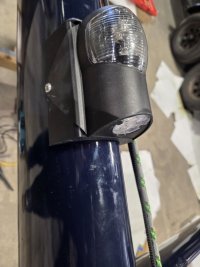
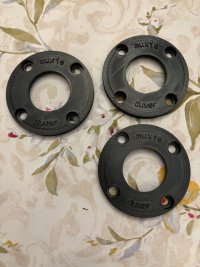
Replacements are not really available. Defender thought they’re selling them - they aren’t, photo 3, they’re for a newer version of the Lewmar 40 winch. The guy from winchspares.com doesn’t even have them, but he helpfully sent me the Lewmar drawing of the part and suggested I find somebody to model and 3D print them. Turns out, some clown in the UK is offering 3D printed versions on eBay for $50 apiece plus $20 shipping…and that is was the tipping point for me to buy this printer. It’s an Elegoo Centauri Carbon, a new model that is disrupting the 3D printer market because it is very capable and very inexpensive - $300.
I created the 3D model using a website tool called TinkerCAD, which has a reputation for being a very capable toy. To me it is reminiscent of 3D PowerPoint, and can confirm it is much less intimidating than the other standalone 3D modeling programs out there. The library of how-to videos on YouTube is astonishing.
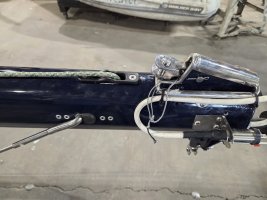
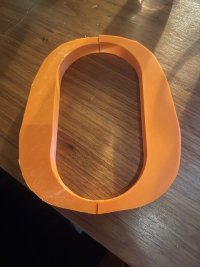
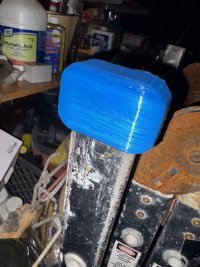
From the drawing, to the model, to the print, I made the prototypes using simple PLA filament, which is easy to print but not UV resistant (photo 4). They were very close to fitting perfectly, but required some tiny adjustments. I printed the revision in ASA, which is fussier to coax out of the machine but is strong and UV-resistant - that’s photo 5. I’ll have to see if the change in materials affected the fit - I suspect it did - but with a little fuss-budgeting I’m feeling pretty confident this is solvable.
This of course suggests all manner of other printable boat items. Hard-to-find castings capping the rail at the bow and stern endpoints can be easily fabricated. So can every manner of faceplate, label, instrument cover, mounting pad (ie, for the compass), and plug. I’m wondering if a hybrid winch cover couldn’t be made that is plastic on the top, accommodates the self-tailing arm, and is sewn to more typical Sunbrella on the sides which would be more water-resistant and long-lasting than the traditional all-Sunbrella design.
Also:
* Replacement interior woodwork, for example the contoured countertop edges, could be easily printed out of brown filament, or other filament that contains actual wood - a sin to carpenters and purists, but I am neither of those and have several feet of this in poor condition
* Honeycomb core material for the next deck core repair, instead of Divynicell foam? My printer would be more than capable of pumping out 10” x 10” squares of this stuff, and if it’s in compression there’s little doubt in my mind that it would be at least as dimensionally stable as the original balsa was